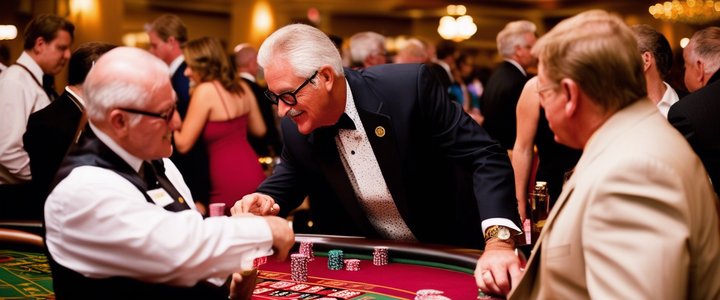
Have you ever wondered what drives someone to gamble every night, despite the potential risks and consequences? For one husband, this question has become a harsh reality, as his wife’s nightly casino visits have taken a toll on their relationship and his own well-being. As we delve into the complexities of this issue, we’ll explore the emotional toll on the spouse and family members affected by the gambler’s behavior, and discuss potential steps that can be taken to address the situation.
Understanding the Issue
So, what contributes to a person’s gambling addiction? Research suggests that a combination of psychological, emotional, and environmental factors can lead to this behavior. For some, gambling may be a way to cope with stress, anxiety, or other mental health issues. Others may be drawn to the thrill and excitement of potentially winning big. Whatever the reason, it’s essential to recognize the signs that may indicate a spouse has a gambling problem, such as increased secrecy, financial difficulties, or a decline in relationships and overall well-being.
The effects of gambling on relationships and family dynamics can be devastating. When one partner struggles with addiction, it can create a sense of isolation, mistrust, and resentment. Family members may feel helpless, unsure of how to support their loved one or address the issue. It’s crucial to understand that gambling addiction is a treatable condition, and seeking professional help is often the first step towards recovery.
The Psychology Behind Gambling Addiction
Experts suggest that gambling addiction can be linked to various psychological factors, including impulsivity, anxiety, and depression. In some cases, individuals may use gambling as a coping mechanism for underlying issues, such as trauma or low self-esteem. By understanding the underlying causes of the addiction, individuals and their families can better address the issue and work towards recovery.
The Emotional Toll
Living with someone who has a gambling problem can be emotionally draining. The constant worry, stress, and uncertainty can take a toll on relationships and overall well-being. It’s not uncommon for family members to feel like they’re walking on eggshells, never knowing when the next crisis will arise. So, how can those affected cope with the emotional impact of a spouse’s gambling addiction?
One approach is to seek support from loved ones, friends, or support groups. Sharing experiences and connecting with others who understand the challenges of living with a gambler can be incredibly helpful. Additionally, seeking professional counseling or therapy can provide a safe and confidential space to process emotions and develop coping strategies.
Support Systems for Affected Family Members
Fortunately, there are various support systems available for those affected by a spouse’s gambling addiction. Organizations such as Gam-Anon, a 12-step program for family and friends of gamblers, offer a safe and supportive environment to share experiences and connect with others who understand the challenges of living with a gambler. Online forums and support groups can also provide a sense of community and connection for those who may feel isolated or alone.
Seeking Help
So, what can be done to address the issue of a spouse’s gambling addiction? The first step is often the most challenging: seeking help. This can involve encouraging the gambler to seek professional counseling or therapy, or joining a support group. It’s essential to approach the situation with empathy and understanding, rather than judgment or criticism.
Open communication is also crucial in addressing the issue. Creating a safe and non-judgmental space for the gambler to discuss their feelings and struggles can help them feel more comfortable seeking help. Additionally, setting clear boundaries and expectations can help to establish a sense of stability and structure in the relationship.
Resources for Recovery
There are various resources available to support individuals and families affected by gambling addiction. The National Council on Problem Gambling (NCPG) offers a 24/7 helpline, as well as online resources and support groups. The Substance Abuse and Mental Health Services Administration (SAMHSA) also provides a treatment locator tool, which can help individuals find local treatment centers and support services.
Recovery and Moving Forward
Recovery from gambling addiction is a journey that requires patience, understanding, and support. It’s essential to recognize that recovery is not just about the gambler, but also about the family members and loved ones who have been affected. By working together and seeking support, individuals and families can heal and rebuild their relationships.
Setting boundaries and maintaining healthy relationships during the recovery process is crucial. This may involve establishing clear expectations, such as attending therapy sessions or support groups, and creating a plan for managing finances and reducing stress. By prioritizing self-care and seeking support, individuals and families can navigate the challenges of recovery and work towards a brighter future.
Healing and Rebuilding Relationships
Healing and rebuilding relationships affected by gambling addiction takes time, effort, and commitment. It’s essential to prioritize open communication, empathy, and understanding, and to seek support from loved ones, friends, or support groups. By working together and focusing on the healing process, individuals and families can rebuild their relationships and create a stronger, more resilient bond.
A Message of Hope
In conclusion, living with a spouse’s gambling addiction can be a challenging and emotional experience. However, with the right support, resources, and approach, it is possible to address the issue and work towards recovery. By seeking help, prioritizing open communication, and focusing on the healing process, individuals and families can navigate the complexities of gambling addiction and create a brighter, more hopeful future.